

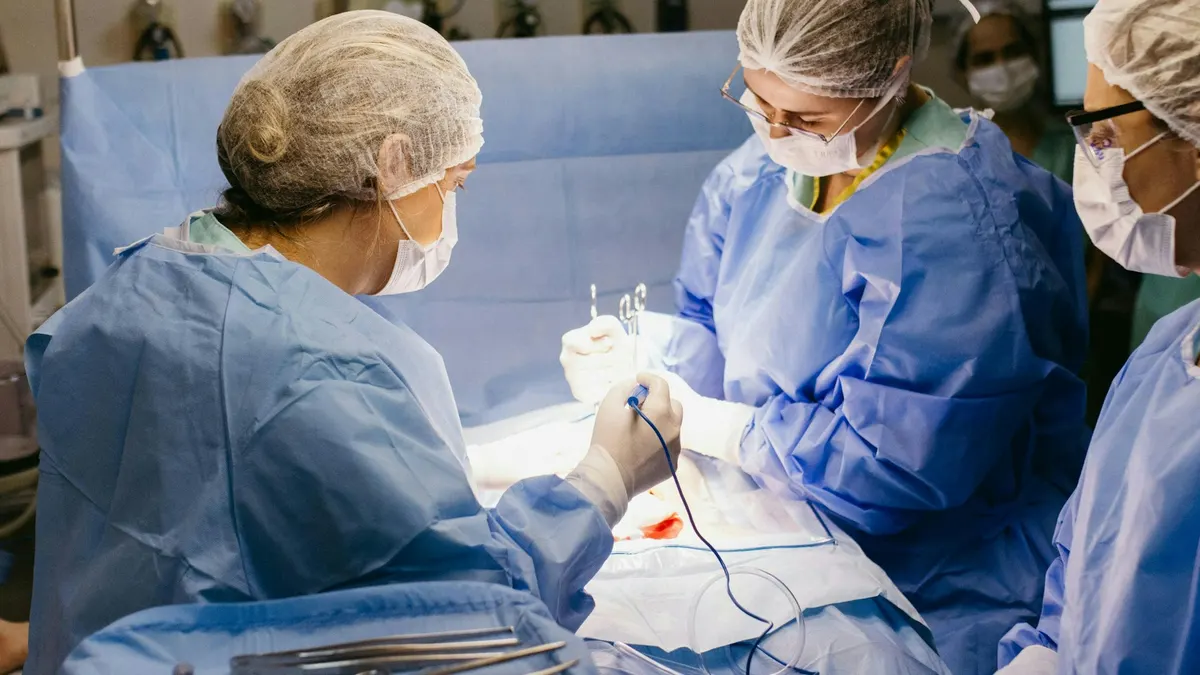
© Vinh Thang / Unsplash
Labiaplasty recovery: hygiene, sitting and returning to activity
Hygiene rules after labiaplasty, sitting recommendations, and the full timeline for returning to daily activity and exercise.
Medically reviewed by Op. Dr. Elvin Əliyev.
After labiaplasty, swelling and sensitivity are at their peak in the first 1-2 weeks, requiring careful hygiene and limited physical activity, while returning to desk work is usually possible after 1 week. Full healing and the final shape form over several months. This timeline can vary depending on the surgical technique chosen, the scope of the surgery, and the individual healing pace of the tissue.
The first days: hygiene and swelling
Right after surgery, swelling, a sense of warmth, and sensitivity in the area are normal. During this period, keeping the area clean and dry is one of the most important steps for supporting healing and lowering infection risk. The specific aftercare routine the surgeon gives at the consultation (usually rinsing with warm water, avoiding harsh soap and scented products entirely) needs to be followed strictly every day. After using the toilet, rinsing instead of wiping, and gently patting dry with a clean towel is recommended. Applying a brief cold compress a few times a day can help reduce swelling, but ice should only be applied through a cloth, never directly on the skin. At this early stage, rinsing after every toilet visit and gently patting the area dry with a soft towel, without rubbing, significantly lowers infection risk. No cream, lotion, or vaginal product that the surgeon has not recommended should be used, since some substances can interfere with healing.
Sitting and clothing recommendations
In the first weeks, sitting on a special cushion (ring-shaped or a "donut" cushion) is recommended to avoid direct pressure. Avoiding long periods of sitting still, with short breaks to stand up and walk a little, helps reduce swelling and support circulation. Clothing choice matters just as much — loose cotton underwear is recommended instead of tight synthetic underwear, since it lets the area breathe freely and reduces friction. While sleeping, a pillow under the knees or sleeping slightly on your side can also help reduce pressure on the area. Long car rides, especially on rough roads, can add discomfort in the first weeks, so it helps to postpone long trips or take frequent breaks.
Returning to work and daily activity
Many patients can return to desk work within 1 week, but this depends on the nature of the job and personal comfort level. In jobs that require prolonged sitting, taking frequent breaks helps. Activities involving direct pressure, such as cycling, should be avoided for longer — until the surgeon gives approval. Jobs that require standing for long periods also call for frequent sitting and resting in the first weeks, since prolonged standing can increase swelling.
Returning to physical activity and sport
Light walking is recommended from the first days, since it supports circulation and helps lower the risk of blood clots. Intense physical activity, running, and weightlifting are usually postponed for 4-6 weeks, since these movements create extra pressure and friction in the area, which can slow healing. Using a swimming pool or the sea is only allowed once the incision line has fully healed, since bacteria in water can create infection risk. When using the toilet, avoiding prolonged straining matters, and a fiber-rich diet with adequate fluid intake helps prevent constipation — this reduces the negative effect of straining on the incision line during toilet use.
When it is possible to resume sexual activity
Resuming sexual activity is usually recommended only once the tissue has fully healed, after the surgeon confirms this at an exam — this timeline is usually 6 weeks, but it can vary based on individual healing speed. Resuming too early can put extra pressure on the incision line and disrupt healing, so it matters to fully follow this recommendation. Any concern or question on this topic is normal and is recommended to discuss openly with the surgeon. Some patients notice a change in sensation (temporary increase or decrease) in the first months, which usually normalizes gradually alongside tissue healing. At the consultation, it helps to discuss your expectations on this topic openly with the surgeon in advance.
When to see a doctor
While most of the recovery period passes normally, the following situations call for contacting a doctor without delay:
- High fever or chills
- Foul-smelling discharge or increasing redness
- Unexpected, ongoing bleeding
- Difficulty urinating or sharp, intense pain
If any of these signs appear, you should contact the clinic where the surgery was performed without delay.
Frequently asked questions
When does the swelling go away?
Initial swelling decreases significantly within a few weeks, but the fine swelling can take a few months to fully resolve.
When can I return to work?
Desk work is usually possible after 1 week, while physically demanding work takes longer.
When can I return to sport?
Light walking is possible early, while intense workouts and running are usually postponed for 4-6 weeks — the exact timeline is confirmed at the surgeon's exam.
When does the final result show?
Once swelling has fully resolved, usually within a few months, the final shape becomes much clearer.
When can I resume sexual activity?
Usually once the tissue has fully healed, around 6 weeks, with the surgeon's confirmation at an exam — the exact timeline can vary somewhat based on individual healing speed.
Since each patient's healing pace differs, when any question or concern about the recovery process arises, it is more reliable to discuss it openly with the surgeon than simply to wait. Detailed information on the procedure and candidacy conditions is available on the labiaplasty procedure page. General recommendations for preparing for surgery are available in this guide.
This article is for information only and does not replace a medical consultation.
Related procedures


Next step: a free consultation
Fill in the form — our team will contact you as soon as possible with the right specialist, a personal plan and an exact price.
Free
Completely free, no obligation
The right doctor
The right specialist for you
Transparent price
Transparent price — no hidden costs
Confidentiality
Full confidentiality


